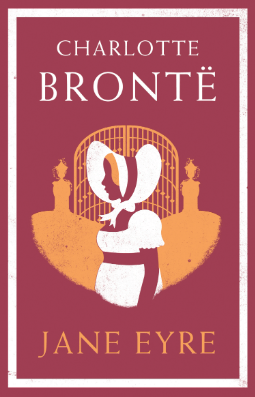
Though Jane Eyre, as a vital piece of literature within the literary canon, is quite obviously widely popular amongst both a contextual and contemporary audience, the true complexities of the novel, its plot, and its characters are perhaps overpowered by the overriding romance between Bronte’s protagonists.
Bronte’s novel cannot simply be described as a romance, although it may appear so on the surface. In actual fact, ‘Jane Eyre’ encompasses the struggles of class, mental health, marriage, and the grey areas surrounding the morals of everyday people. Moreover, though the depiction of its characters differs greatly from the expert magnification of the characters of ‘Wuthering Heights’, the characters of Jane and Mr. Rochester appeal to the normal everyday sensibilities of its contextual audience. In Jane, we have a female character whose independence stands against the conventions of her society within the typical romance plot of the Victorian novel. Though she is nowhere near as wild as Catherine Earnshaw, as outspoken as Elizabeth Bennet, or as durable as Tess Durbeyfield, she is wise beyond her years and garners strength from her weaknesses, which marks her as a notable proto-feminist heroine. Though fraught with elements of the Gothic supernatural, both the fears of Jane and Rochester bring to light the social issues of the period in a striking, yet utterly realistic manner. Jane’s inability to look past her social class prevents her from immediately marrying Rochester, amongst other things; Rochester’s struggles with the mental illness that is bound to his name through marriage disallows him from pursuing a happy union with Jane; and the contextual yet contemporary issue of societal views on conventional beauty keeps this book rooted in literary canon through its consistent relevance to multiple taboos within a contemporary audience.
 Abbie Roberts